A farm pond or stock tank can make a big difference to how you use your land, whether you need a reliable water source for livestock, want to manage runoff, or are preparing a rural property for long-term use. But before moving dirt, it’s worth understanding what goes into building one and what can affect the overall cost.
The price depends on more than the pond’s size. Soil conditions, excavation depth, drainage, and access for heavy equipment all play a role. At RedHawk Earthworks, we handle pond and stock tank excavation with our own equipment and in-house crews, allowing us to coordinate the work around your property’s needs.
Understanding Farm Ponds vs. Stock Tanks
Before diving into costs, it’s important to understand the difference between farm ponds and stock tanks:
Farm Ponds
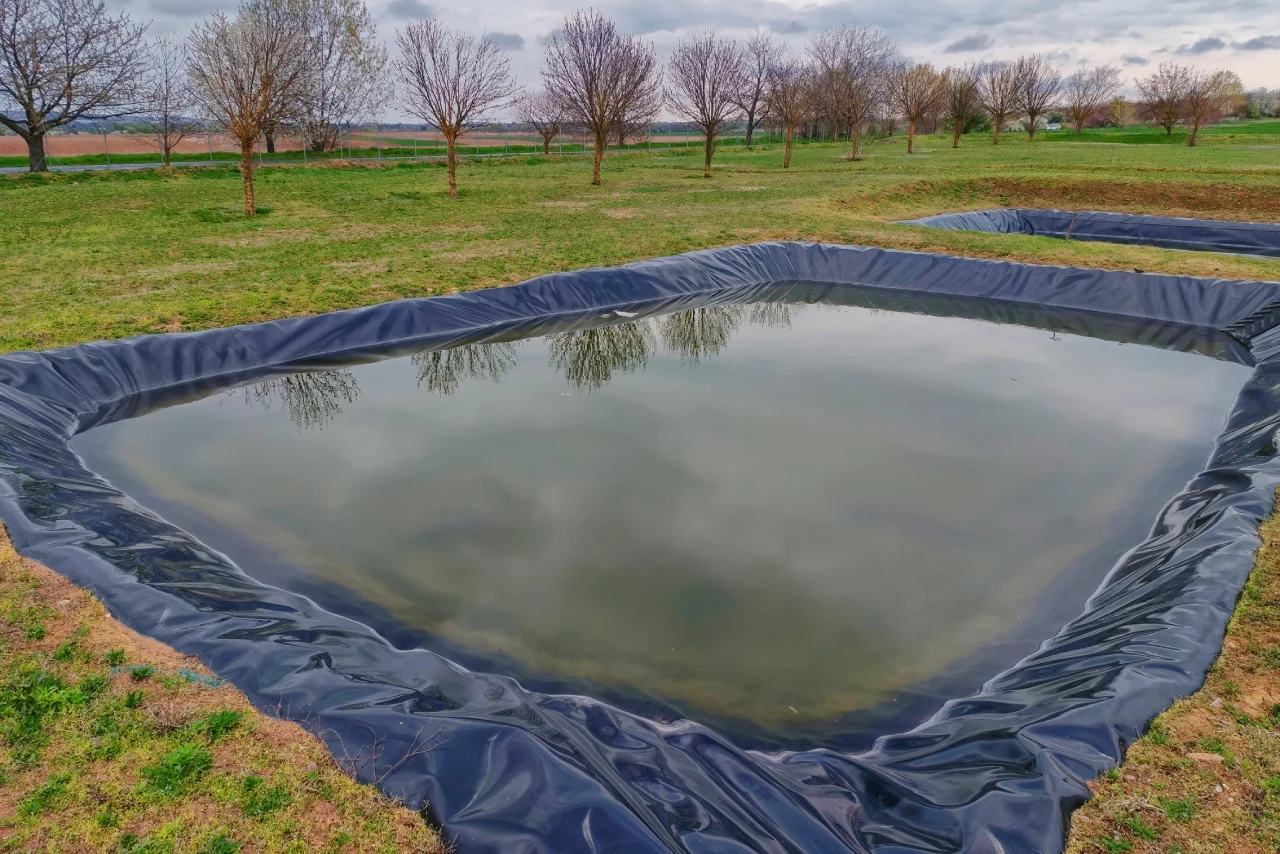
Farm ponds are excavated or constructed water storage systems ranging from a quarter acre to several acres. They serve multiple purposes, including water storage for irrigation, livestock watering, fire suppression, and recreational use. Ponds require proper site selection, excavation, and often involve pond liners or natural clay sealing.
Stock Tanks
Stock tanks are smaller, often pre-fabricated structures designed specifically for livestock watering. They can be above-ground or partially in-ground and typically range from 50 to 500 gallons. While smaller and less complex, stock tanks still require proper installation and maintenance.
Key Factors Affecting Construction Costs
Several factors influence the total cost of your farm pond or stock tank project:
1. Size and Depth
The size of your pond directly impacts excavation costs. Larger ponds require more earth movement and longer project timelines. Depths typically range from 6 to 12 feet for farm ponds, with deeper ponds requiring more robust construction and potentially higher costs.
2. Site Preparation and Land Clearing
Land clearing is a critical component of pond construction. The cost per acre for land clearing varies based on vegetation density, terrain, and soil conditions. Land clearing cost per acre ranges depends on the complexity of vegetation removal and site conditions. At RedHawk Earthworks, we provide transparent quotes for all land clearing needs as part of your pond project.
3. Soil Type and Conditions
The native soil composition at your site significantly affects construction methods and costs. Clay-heavy soils may hold water naturally and reduce the need for liners, while sandy or rocky soils might require specialized liners or sealing methods.
4. Water Source
Your pond’s water source; whether it’s runoff, springs, wells, or municipal lines, affects both initial construction and ongoing maintenance costs. Some sites may require additional infrastructure to direct water to the pond.
5. Pond Liners and Sealing
Quality pond liners (HDPE, clay liners, or bentonite) add to project costs but ensure water retention.
6. Permits and Regulations
Depending on your location, permits and environmental compliance may be required. These costs vary by jurisdiction. Stock Tank Installation: What Affects the Cost Stock tanks can be a practical option for smaller livestock operations, but installation requirements vary by property. The overall project may depend on:
- Tank material and size: Steel, plastic, and other tank types have different requirements and capacities.
- Site preparation: The ground may need leveling, grading, or a suitable foundation before installation.
- Water access: Proximity to an existing water source and the plumbing needed to supply the tank can affect the scope.
- Drainage: Proper drainage helps manage overflow and runoff around the tank.
- Equipment access: Difficult terrain or limited access can affect the equipment and labor needed for installation.
A site assessment is the best way to determine what your stock tank installation will require and develop an accurate project estimate.
Long-Term Maintenance and Costs
The initial installation is only part of planning for a stock tank or water storage system. Ongoing maintenance may include:
- Regular inspections to identify leaks, damage, or other issues
- Sediment and algae management to keep the tank in usable condition
- Repairs and replacement parts as components wear over time
- Water system maintenance for connected pumps, lines, or other equipment
- Drainage and surrounding site maintenance to keep the installation functioning properly
The maintenance needs will depend on the tank, water source, surrounding conditions, and how frequently it is used.
Conclusion
Farm ponds and stock tanks are valuable investments for ranchers and landowners. While costs vary based on site-specific factors, including land clearing cost per acre and soil conditions, proper planning and working with experienced professionals like RedHawk Earthworks ensures you get maximum value for your investment. Whether you’re looking for a large-scale farm pond or a simple stock tank installation, we’re here to help you achieve your water management goals efficiently and affordably.
Why Choose RedHawk Earthworks?
At RedHawk Earthworks, we bring hands-on experience, in-house crews, and the right equipment to farm pond and stock tank projects. We assess your property’s terrain, access, soil, and project requirements to determine the right approach. From excavation and land clearing to grading and site preparation, our team handles the work with careful planning and attention to detail. Clear project estimates help you understand the planned scope, while our owned equipment and experienced crew keep the work organized and efficient.
Frequently Asked Questions
Q: What factors affect the cost of building a farm pond or stock tank?
A: The cost depends on the pond’s size and depth, soil conditions, excavation requirements, site accessibility, and the amount of dirt that needs to be moved. Drainage, water retention, and the intended use of the pond can also influence the work involved.
Q: Is a farm pond or stock tank more expensive to build?
A: It depends on the project’s requirements. A stock tank designed to provide water for livestock may have different depth, capacity, and site preparation needs than a farm pond built for multiple purposes. The size of the excavation and the property’s soil conditions also affect the overall cost.
Q: How long does it take to build a farm pond or stock tank?
A: The timeline depends on the pond’s size, excavation requirements, ground conditions, weather, and equipment access. Smaller projects may take less time than large excavations.
Q: Can RedHawk Earthworks build a stock tank on my property?
A: RedHawk Earthworks provides pond and stock tank construction services for North Texas properties. We use our in-house crews and company-owned equipment to manage excavation and earthmoving.
Q: What should I consider before building a farm pond in North Texas?
A: Consider the pond’s intended use, water supply, drainage patterns, soil conditions, and the natural slope of the land. You should also assess equipment access and check applicable permitting and environmental requirements before construction begins.